
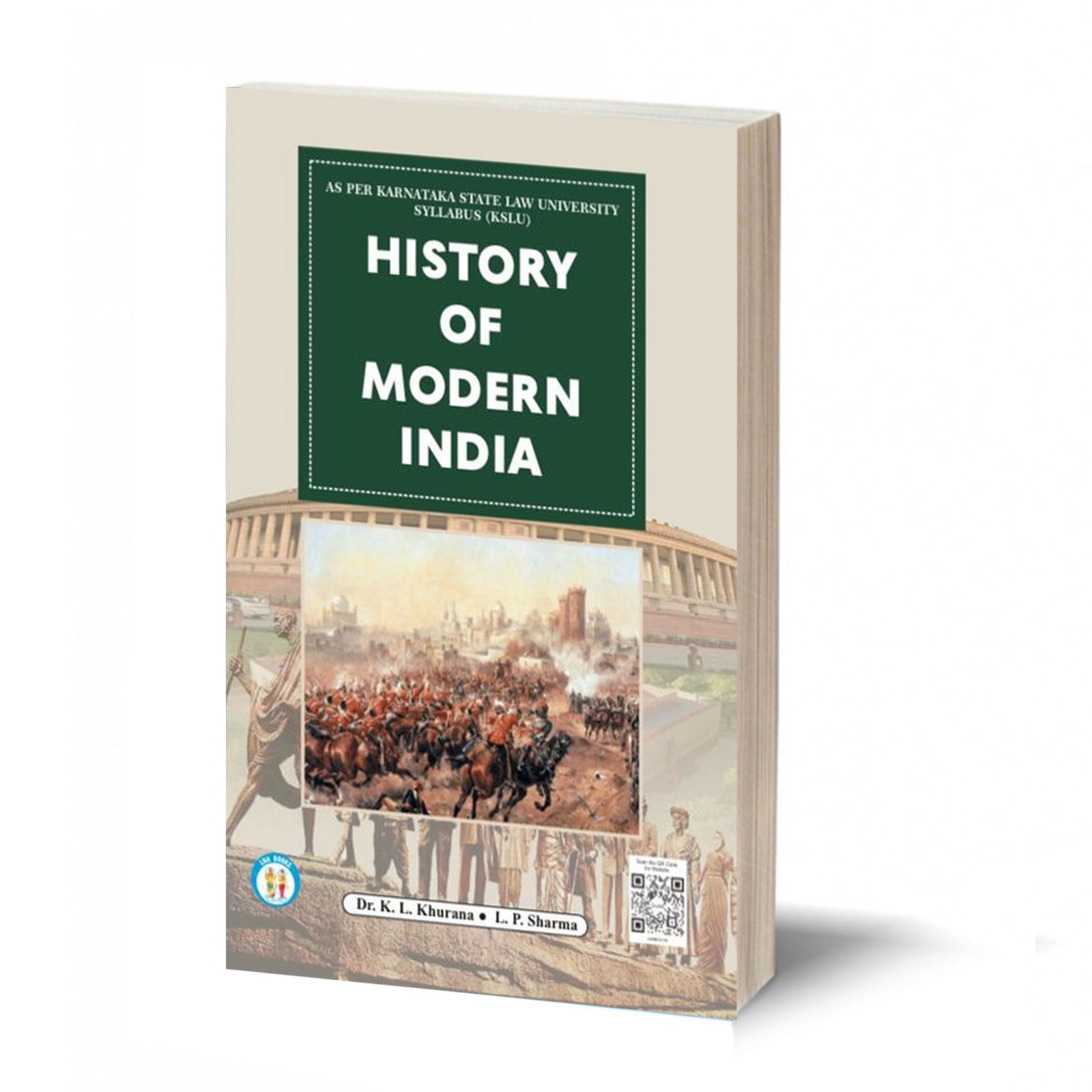
History Of Modern India (Text)- By Dr. K.L Khurana & L.P Sharma – AS PER KARNATAKA STATE LAW UNIVERSITY SYLLABUS (KSLU) – MINOR II
Original price was: ₹675.00.₹573.75Current price is: ₹573.75.
History Of Modern India (Text)-Dr. K.L Khurana & L.P Sharma ISBN : 978-81-986944-3-0
CONTENTS
UNIT I
MODERN INDIA [From 1707 to 1450]
1. Decline of the Mughals and Condition of India in the 18th Century — 3–14
2. The Rise and Development of the Maratha Power — 15–28
3. The Early European Settlements and Anglo-French Conflicts — 29–42
4. The Establishment of British Rule in India — 43–57
5. Warren Hastings (A. D. 1772–1785) — 58–72
6. Lord Cornwallis (A. D. 1786–1793) — 73–84
7. Lord Wellesley (A. D. 1798–1805) — 85–96
8. Role of Haider Ali and Tipu Sultan — 97–103
9. Lord Cornwallis to Lord Amherst (A. D. 1805–1828) — 104–118
10. Lord William Bentinck (A. D. 1823–1835) — 119–128
11. Evolution of British Judicial Institutions in Colonial India — 129–136
UNIT II
THE BRITISH LAND REVENUE SYSTEM
12. British Attitude towards Afghanistan and Sindh — 139–148
13. Anglo-Sikh Relations — 149–164
14. Lord Dalhousie (A. D. 1848–1856) — 165–176
15. The Revolt of A. D. 1857 — 177–192
16. Lord Lytton to Lord Elgin II (A. D. 1876–1899) — 193–208
17. Lord Curzon (A. D. 1899–1905) — 209–219
18. Peasant and Labour Movements in India — 220–226
UNIT III
SOCIO-RELIGIOUS REFORM MOVEMENTS AND LAW REFORMS
19. Renaissance and Socio-Religious Movements in the Nineteenth Century — 229–249
20. The Growth of National Movement in India — 250–268
21. National Movement and Gandhian Era — 269–290
22. Muslim Communalism and Partition of India — 291–306
23. Eminent Leaders of the National Movement of India — 307–319
UNIT IV
CONSTITUTIONAL DEVELOPMENT
24. Constitutional Development of India — 323–344
25. Education, Press, Society and Economic Condition in Modern India — 345–356
26. The Leftist Movements in India — 357–362
27. The Legacy of British Rule to India — 363–366
28. Post-Independence Period (A. D. 1947–1967) — 367–382
PART V
INDIAN NATIONAL MOVEMENT
29. Rise and Growth of British Empire in India — 395–396
30. Nature of British Rule in India — 397–400
31. Challenges to British Power: The Revolt of 1857 or The First War of Indian Independence — 401–416
32. Some Other Important Revolts after the Revolt of 1857 — 417–421
33. Socio-Religious Movements of the 19th Century and Their Role in National Awakening — 422–440
34. Growth of Political Consciousness or Concept of Nationalism: Its Political, Economic and Social Aspects or Background — 441–449
35. Birth of Indian National Congress: Its Early Aims — 450–458
36. The Moderates: Their Objectives, Techniques and Achievements — 459–468
37. The Extremists: Their Objectives, Techniques and Achievements (The Surat Split) — 469–481
38. The Revolutionary Nationalists — 482–488
39. The Partition of Bengal and the Swadeshi Movement — 489–496
40. The First World War and Indian Nationalism, The Home Rule Movement: The Lucknow Pact — 497–505
41. The Advent of Gandhi in Indian Politics: The First Satyagraha Movement, the Khilafat and the Non-Cooperation Movement — 506–520
42. The Swaraj Party — 521–527
43. The Bardoli Satyagraha: The Simon Commission: The Nehru Report, the Demand of Dominion Status and Poorna Swarajya — 528–539
44. The Civil Disobedience Movement and the Round Table Conferences: Macdonald Award (Communal Award) and the Poona Pact — 540–550
45. The Second World War and Indian Politics: The Individual Satyagraha; The Quit India Movement; The Indian National Army; The Naval Mutiny; The Mass Movements — 551–569
46. The Partition of India and Achievement of Independence — 570–577
47. Muslim Communalism and Partition of India — 578–588
48. The Indian States and the National Movement — 589–592
49. The Peasants and Labour Movements — 593–599
50. Impact of Russian Revolution of 1917: Leftist Parties — 600–602
51. Integration of Princely States — 603–604
52. Impact of British Rule on the Economy of India — 605–608
53. Some Leaders of the Indian National Movement — 609–629
54. Constitutional Development — 630–662
APPENDIX
1. Model Objective Questions and their Answers — i
2. Probable Questions — xxiii
For bulk quantity contact us at
Description
History Of Modern India (Text)-Dr. K.L Khurana & L.P Sharma ISBN : 978-81-986944-3-0
AS PER KARNATAKA STATE LAW UNIVERSITY SYLLABUS (KSLU)
CONTENTS
UNIT I
MODERN INDIA [From 1707 to 1450]
1. Decline of the Mughals and Condition of India in the 18th Century — 3–14
2. The Rise and Development of the Maratha Power — 15–28
3. The Early European Settlements and Anglo-French Conflicts — 29–42
4. The Establishment of British Rule in India — 43–57
5. Warren Hastings (A. D. 1772–1785) — 58–72
6. Lord Cornwallis (A. D. 1786–1793) — 73–84
7. Lord Wellesley (A. D. 1798–1805) — 85–96
8. Role of Haider Ali and Tipu Sultan — 97–103
9. Lord Cornwallis to Lord Amherst (A. D. 1805–1828) — 104–118
10. Lord William Bentinck (A. D. 1823–1835) — 119–128
11. Evolution of British Judicial Institutions in Colonial India — 129–136
UNIT II
THE BRITISH LAND REVENUE SYSTEM
12. British Attitude towards Afghanistan and Sindh — 139–148
13. Anglo-Sikh Relations — 149–164
14. Lord Dalhousie (A. D. 1848–1856) — 165–176
15. The Revolt of A. D. 1857 — 177–192
16. Lord Lytton to Lord Elgin II (A. D. 1876–1899) — 193–208
17. Lord Curzon (A. D. 1899–1905) — 209–219
18. Peasant and Labour Movements in India — 220–226
UNIT III
SOCIO-RELIGIOUS REFORM MOVEMENTS AND LAW REFORMS
19. Renaissance and Socio-Religious Movements in the Nineteenth Century — 229–249
20. The Growth of National Movement in India — 250–268
21. National Movement and Gandhian Era — 269–290
22. Muslim Communalism and Partition of India — 291–306
23. Eminent Leaders of the National Movement of India — 307–319
UNIT IV
CONSTITUTIONAL DEVELOPMENT
24. Constitutional Development of India — 323–344
25. Education, Press, Society and Economic Condition in Modern India — 345–356
26. The Leftist Movements in India — 357–362
27. The Legacy of British Rule to India — 363–366
28. Post-Independence Period (A. D. 1947–1967) — 367–382
PART V
INDIAN NATIONAL MOVEMENT
29. Rise and Growth of British Empire in India — 395–396
30. Nature of British Rule in India — 397–400
31. Challenges to British Power: The Revolt of 1857 or The First War of Indian Independence — 401–416
32. Some Other Important Revolts after the Revolt of 1857 — 417–421
33. Socio-Religious Movements of the 19th Century and Their Role in National Awakening — 422–440
34. Growth of Political Consciousness or Concept of Nationalism: Its Political, Economic and Social Aspects or Background — 441–449
35. Birth of Indian National Congress: Its Early Aims — 450–458
36. The Moderates: Their Objectives, Techniques and Achievements — 459–468
37. The Extremists: Their Objectives, Techniques and Achievements (The Surat Split) — 469–481
38. The Revolutionary Nationalists — 482–488
39. The Partition of Bengal and the Swadeshi Movement — 489–496
40. The First World War and Indian Nationalism, The Home Rule Movement: The Lucknow Pact — 497–505
41. The Advent of Gandhi in Indian Politics: The First Satyagraha Movement, the Khilafat and the Non-Cooperation Movement — 506–520
42. The Swaraj Party — 521–527
43. The Bardoli Satyagraha: The Simon Commission: The Nehru Report, the Demand of Dominion Status and Poorna Swarajya — 528–539
44. The Civil Disobedience Movement and the Round Table Conferences: Macdonald Award (Communal Award) and the Poona Pact — 540–550
45. The Second World War and Indian Politics: The Individual Satyagraha; The Quit India Movement; The Indian National Army; The Naval Mutiny; The Mass Movements — 551–569
46. The Partition of India and Achievement of Independence — 570–577
47. Muslim Communalism and Partition of India — 578–588
48. The Indian States and the National Movement — 589–592
49. The Peasants and Labour Movements — 593–599
50. Impact of Russian Revolution of 1917: Leftist Parties — 600–602
51. Integration of Princely States — 603–604
52. Impact of British Rule on the Economy of India — 605–608
53. Some Leaders of the Indian National Movement — 609–629
54. Constitutional Development — 630–662
APPENDIX
1. Model Objective Questions and their Answers — i
2. Probable Questions — xxiii
-
Madhyakalin Bharat (1000-1761 A.D.) - , By - L.P. Sharma, ISBN Code - 978-81-993583-2-4 इस पुस्तक की विषय सूची इस प्रकार है- तुर्क-अफगान काल 1. मध्यकालीन-भारतीय इतिहास के स्त्रोत…
-
Indian National Movement - , By - L.P. Sharma, ISBN Code - 978-93-86828-91-0 [For Civil/State Services (Prelims & Mains), UGC-CBCS, NET, PGT/TGT, SSC-CGL Examinations and for B.A. (Pass/Honours) and M.A.…
-
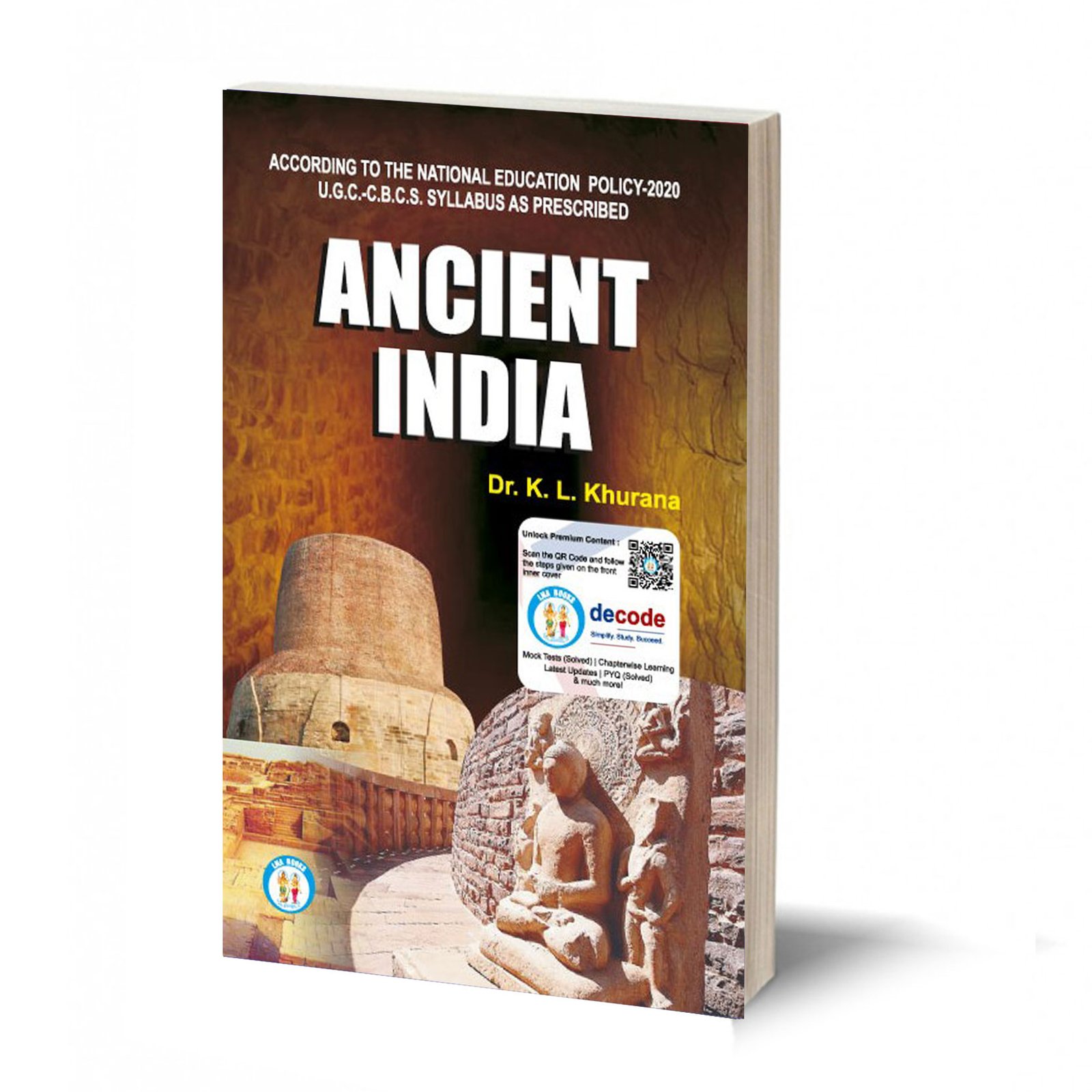
Ancient India (From Earliest Times To 1206 A.D.) - , By - Dr. K.L. Khurana, ISBN Code - 978-93-86544-59-9 CONTENTS : Chapters Sources of Ancient History of India [Indigenous…
-
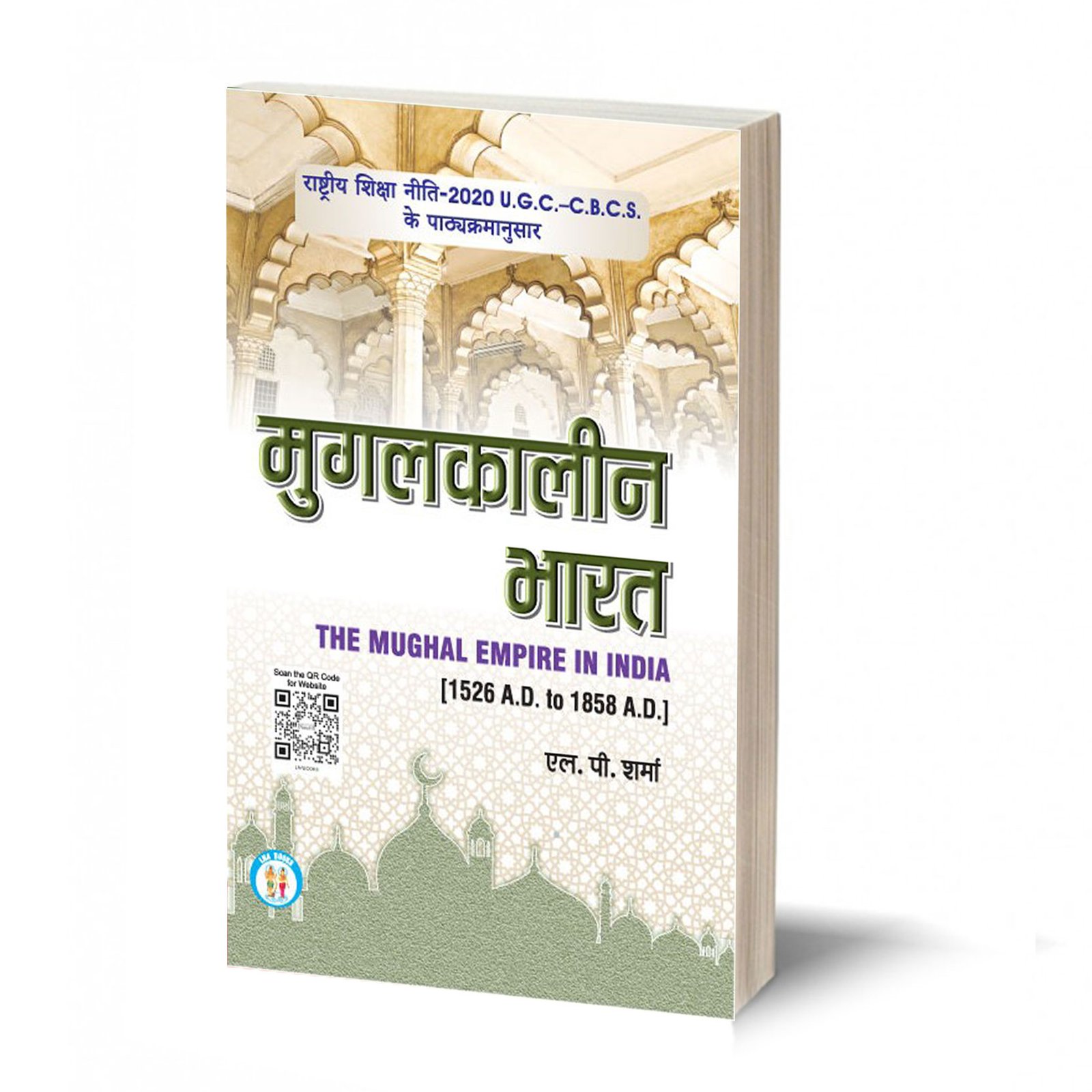
Mughalkaleen Bharat ( 1526-1858 A.D. ) By- L.P. SHARMA, ISBN :-978-93-86828-33-0 इस पुस्तक की विषय सूची इस प्रकार है- 1. मुख्य साहित्यिक स्त्रोत-ग्रन्थ और उनका महत्व मुगल-अफगान संघर्ष और…



Reviews
There are no reviews yet.