
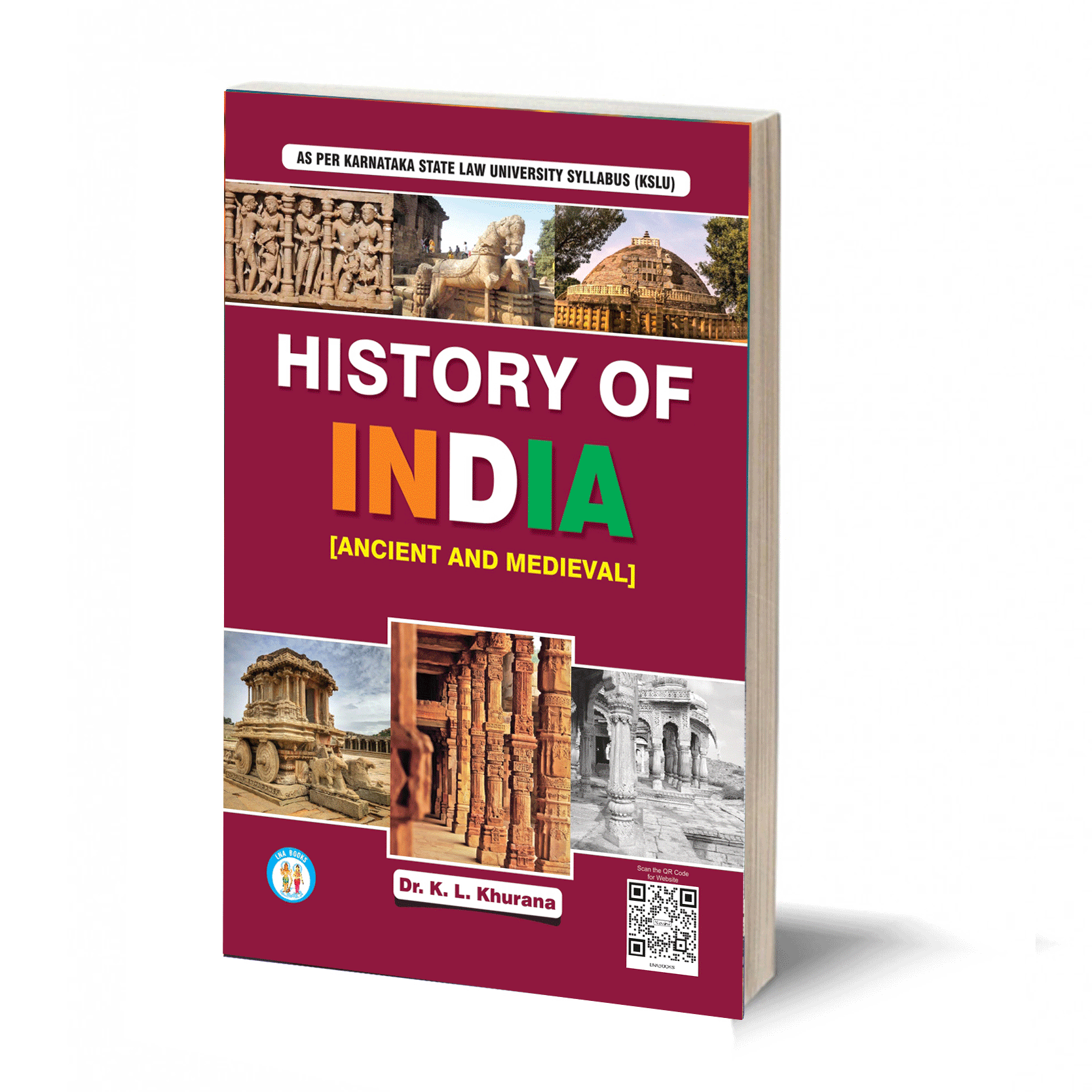
History of India By- Dr. K.L. Khurana AS PER KARNATAKA STATE LAW UNIVERSITY SYLLABUS (KSLU)
Original price was: ₹925.00.₹786.25Current price is: ₹786.25.
Out of stock
History of India By- Dr. K.L. Khurana ISBN : 978-81-986944-1-6
Exclusively Distributed by : MPP House, 87 – 1st Cross, 1st Floor, TBR Complex, Gandhinagar, Bangalore- 560009
Email- mpphouseblr@gmail.com
CONTENTS :
Chapters
PART I
THEORY OF HISTORY
- Nature and Scope of History
- Relation of History with Other Social Sciences
- History is Science or Art
- Theories of History
- Individuals and Institutions in History
- Approaches of History
- Historical Objectivity and Subjectivity in History
- Bias in History
PART II
RESEARCH METHODOLOGY
- Historical Research.
- Historical Sources of Data Collection
- Choosing of Subject
- Notes, Footnotes, Maps and Appendix
- External Criticism or Problem of Authenticity
- Internal Criticism or Problem of Credibility
- Sources of Ancient History of India
- Physical Features of India
- Pre-Historic Age
- Indus Valley Civilization
- The Vedic Age
- Later Vedic Age or Epic Age,
- Religious Movements
- The Rise of Magadha and Foreign Invasions
- The Mauryan Dynasty
- Ashoka and his Successors
- The Brahmin Rulers
- Foreign Invaders and their Rule in India
- The Gupta Dynasty (320-540 A.D.)
- Administration and Culture under the Guptas (Gupta 247 Period as Golden Period of Ancient India)
- Harsha and His Times (606-647 A.D.)
- The Rajput Period (650-1206 A.D.)
- Ruling Dynasties of the South
- Rajput Civilization and Culture
- Significant Source Material of Medieval India
- Rise of Islam and Arab Invasion of Sindh
- Rise of the Turks
- Shihabuddin Alias Muizuddin Muhammad Ghori (A. D. 1175 to 1250)
- The So-called Slave Dynasty (A. D. 1206 to 1290)
- Shamsuddin Iltutmish (A. D. 1211 to 1236)
- The Successors of lltutmish and the Rule of ‘The Forty’ (A. D. 1236 to 1266)
- Ghiasuddin Balban (A. D. 1266 to 1287)
- Successors of Balban and Decline of Slave Dynasty
- Khalji Dynasty (A. D. 1290 to 1320)
- Alauddin Khalji (A. D. 1296-1316)
- Successors of Alauddin Khalji and Downfall of Khalji Empire
- Tughlaq Dynasty (A.D. 1320 to 1414)
- Muhammad-bin-Tughlaq (A.D. 1325 to 1351)
- Firoz Shah Tughlaq (A.D. 1351 to 1388)
- Later Tughlugs and Invasion of Timur
- Sayyid Dynasty
- Lodi Dynasty (A. D. 1451 to 1526)
- Administration of Delhi Sultanate
- Society and Culture during Delhi Sultanate
- Rise of Provincial Kingdoms
- The Later Mughals and Decline of Mughal Empire
- Rise and Fall of Marathas
- Mughal Administration
- Society, Culture and Civilization during Mughal Period
- The Early European Settlements and Anglo- French Conflicts
- The Establishment of British Rule in India
For bulk quantity contact us at
Description
History of India By- Dr. K.L. Khurana ISBN : 978-81-986944-1-6
Exclusively Distributed by : MPP House, 87 – 1st Cross, 1st Floor, TBR Complex, Gandhinagar, Bangalore- 560009
Email- mpphouseblr@gmail.com
CONTENTS :
Chapters
PART I
THEORY OF HISTORY
- Nature and Scope of History
- Relation of History with Other Social Sciences
- History is Science or Art
- Theories of History
- Individuals and Institutions in History
- Approaches of History
- Historical Objectivity and Subjectivity in History
- Bias in History
PART II
RESEARCH METHODOLOGY
- Historical Research.
- Historical Sources of Data Collection
- Choosing of Subject
- Notes, Footnotes, Maps and Appendix
- External Criticism or Problem of Authenticity
- Internal Criticism or Problem of Credibility
- Sources of Ancient History of India
- Physical Features of India
- Pre-Historic Age
- Indus Valley Civilization
- The Vedic Age
- Later Vedic Age or Epic Age,
- Religious Movements
- The Rise of Magadha and Foreign Invasions
- The Mauryan Dynasty
- Ashoka and his Successors
- The Brahmin Rulers
- Foreign Invaders and their Rule in India
- The Gupta Dynasty (320-540 A.D.)
- Administration and Culture under the Guptas (Gupta 247 Period as Golden Period of Ancient India)
- Harsha and His Times (606-647 A.D.)
- The Rajput Period (650-1206 A.D.)
- Ruling Dynasties of the South
- Rajput Civilization and Culture
- Significant Source Material of Medieval India
- Rise of Islam and Arab Invasion of Sindh
- Rise of the Turks
- Shihabuddin Alias Muizuddin Muhammad Ghori (A. D. 1175 to 1250)
- The So-called Slave Dynasty (A. D. 1206 to 1290)
- Shamsuddin Iltutmish (A. D. 1211 to 1236)
- The Successors of lltutmish and the Rule of ‘The Forty’ (A. D. 1236 to 1266)
- Ghiasuddin Balban (A. D. 1266 to 1287)
- Successors of Balban and Decline of Slave Dynasty
- Khalji Dynasty (A. D. 1290 to 1320)
- Alauddin Khalji (A. D. 1296-1316)
- Successors of Alauddin Khalji and Downfall of Khalji Empire
- Tughlaq Dynasty (A.D. 1320 to 1414)
- Muhammad-bin-Tughlaq (A.D. 1325 to 1351)
- Firoz Shah Tughlaq (A.D. 1351 to 1388)
- Later Tughlugs and Invasion of Timur
- Sayyid Dynasty
- Lodi Dynasty (A. D. 1451 to 1526)
- Administration of Delhi Sultanate
- Society and Culture during Delhi Sultanate
- Rise of Provincial Kingdoms
- The Later Mughals and Decline of Mughal Empire
- Rise and Fall of Marathas
- Mughal Administration
- Society, Culture and Civilization during Mughal Period
- The Early European Settlements and Anglo- French Conflicts
- The Establishment of British Rule in India
-
ISBN-978-93-86241-63-4 , COLERIDGE THE RIME OF THE ANCIENT MARINER * R.L. VARSHNEY, 120.00 Edited with: General Introduction, Special Introduction, Text With Paraphrase in ,Notes, Important Explanations, Questions And Answers.Etc.…
-
ISBN-978-93-86828-63-7 ,CHAUCER NUN'S PRIEST'S TALE * J. LAHIRI 125.00 Edited with: General Introduction, Special Introduction, Text With Paraphrase ,Notes, Important Explanations, Questions And Answers,Etc. ISBN-978-93-86828-63-7 , CHAUCER NUN'S PRIEST'S TALE…
-
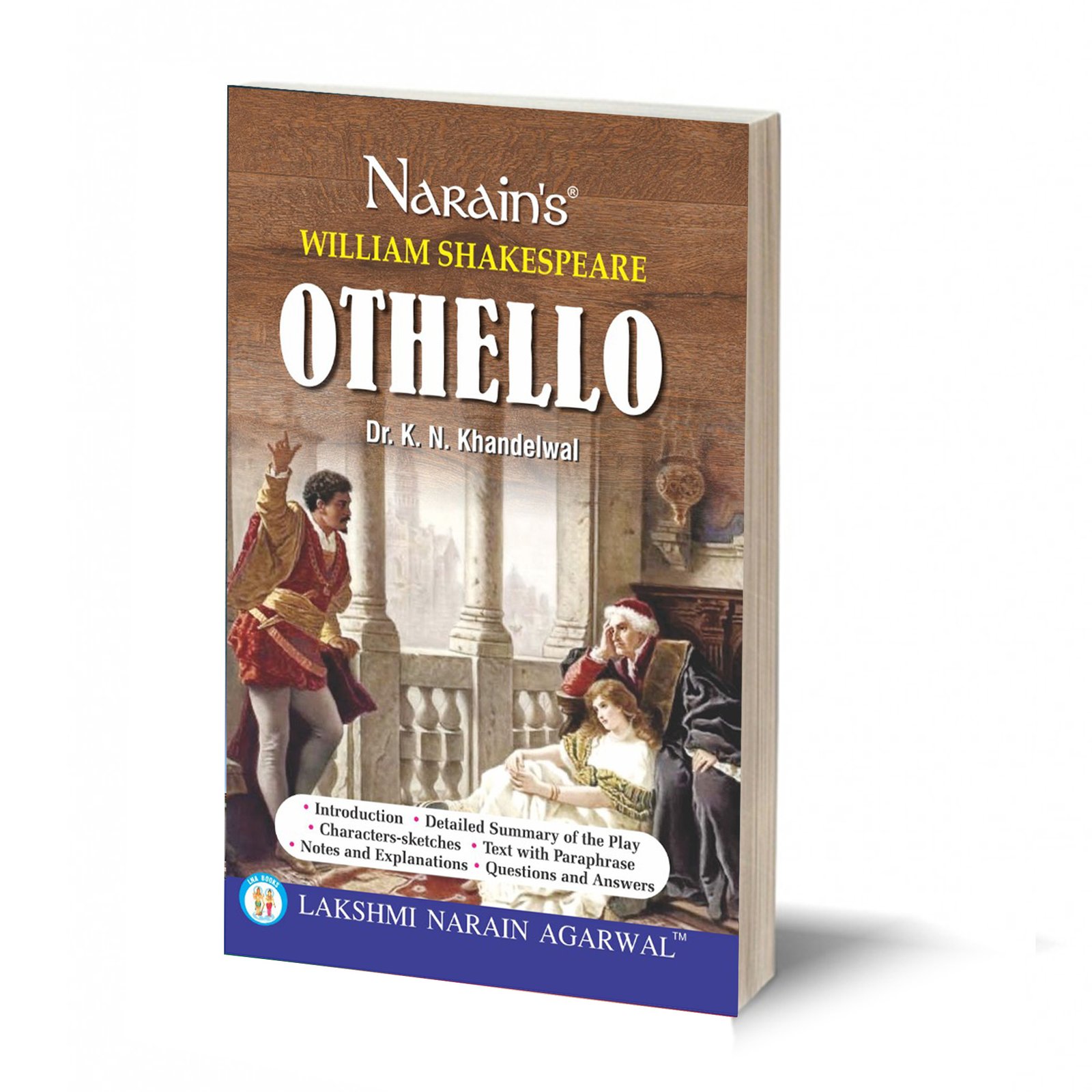
ISBN-978-93-86544-78-0 SHAKESPEARE OTHELLO * K.N. KHANDELWAL, ISBN-978-93-86828-44-6 SHAKESPEARE OTHELLO With Hindi * K.N. KHANDELWAL, Edited with: General Introduction, Text with Paraphrase, in English and Hindi, Word- Meanings, Scene wise Summary…
-
ISBN-978-93-86828-15-6 DRYDEN ALL FOR LOVE * R.L. VARSHNEY, 250.00 Edited with: General Introduction to The Play, Text with Paraphrase, Detailed Act wise Summary, Notes ,Character Sketches, Explanations of Important…




Reviews
There are no reviews yet.